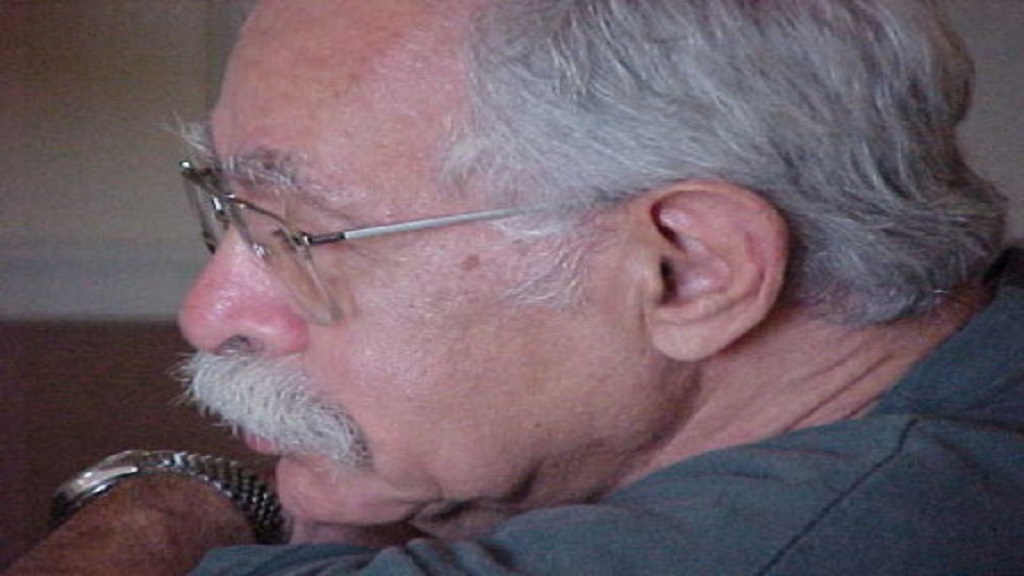


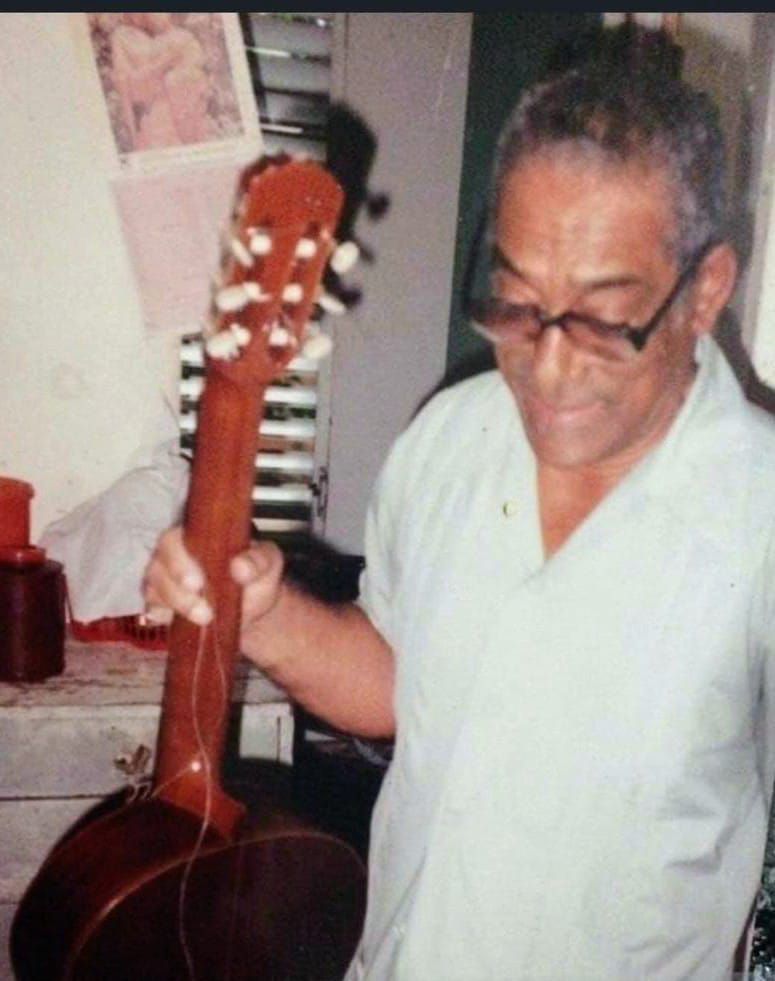
We often walk through our towns and cities unaware of the deep roots beneath our feet. We see buildings, streets, and shores, but we miss the stories that built them. Without someone to hold the lantern and guide us through the fog of the past, entire histories can vanish. For the people of Samaná, that lantern was held high by one man: Gregorio Elia Penzo Devers.
He was more than just a historian or a writer. Penzo Devers was the custodian of a collective memory, a man who refused to let the identity of his people fade into the background noise of modern life. His life’s work was a fight against forgetting, and his weapons were ink, paper, and an unshakeable love for his homeland.
This isn’t just a story about a writer. It is a testament to how one person’s dedication can save the soul of a community.
A Life Dedicated to Memory
History is often written by the victors, but local history—the kind that truly defines who we are—is written by the passionate. Gregorio Elia Penzo Devers understood this better than anyone. He didn’t just record dates and names; he captured the spirit of Samaná.
His journey wasn’t about seeking fame. It was about filling a void. He saw that the rich tapestry of Samaná’s past was fraying. The stories of indigenous leaders, the struggles of early settlers, and the quiet heroism of everyday people were at risk of being lost. So, he took it upon himself to become the chronicler.
He researched tirelessly. He dug into archives that others ignored and listened to oral histories that were on the verge of silence. He became the bridge between a forgotten past and a generation hungry for identity.
Literary Jewels That Defined a People
Penzo Devers gave us more than books; he gave us mirrors in which to see ourselves. His written works serve as foundational texts for anyone wanting to understand the unique cultural fabric of the Samaná peninsula.
Mayobanex: Memorias de Samaná
In “Mayobanex: Memorias de Samaná,” Penzo Devers didn’t just write a history textbook. He wove a narrative that brought the past to life. He explored the indigenous roots of the region, reminding us that our story began long before colonial ships appeared on the horizon. By anchoring the present in the deep past, he gave Samaná a sense of continuity and dignity.
Mujeres Notables de Samaná
Perhaps one of his most significant contributions was his focus on the often-overlooked figures of history. In “Mujeres notables de Samaná,” he shone a spotlight on the women who helped build the community. In traditional histories, women are frequently relegated to the footnotes. Penzo Devers brought them to the main stage, acknowledging their strength, their leadership, and their essential role in shaping the region’s character.
These works are not just for dusty shelves. They are vital resources. They teach young people that their ancestors were not just bystanders in history, but active participants who shaped their own destiny.
The Fight Against Indifference
Cultural amnesia is a subtle enemy. It creeps in when we stop telling our stories. Penzo Devers viewed his work as an act of resistance. Every page he wrote was a stand against indifference.
He understood that if we don’t know where we come from, we cannot know where we are going. His passion went beyond intellectual curiosity; it was a moral imperative. He wanted the people of Samaná to walk with their heads held high, armed with the knowledge of their heritage.
This wasn’t always an easy path. Historical research is often solitary, grueling work with little financial reward. Yet, he persisted. He persisted because he knew that a people without a history are like a tree without roots—easily toppled by the first strong wind.
A Legacy Etched in Eternity
Gregorio Elia Penzo Devers may no longer be physically present, but his voice echoes in every classroom where his books are read. He lives on in the pride of a student learning about their ancestors for the first time. He lives on every time someone defends the unique culture of Samaná.
His legacy challenges us to continue his work. It asks us:
- What stories are we preserving today?
- Who are the forgotten figures in our own time?
- How are we ensuring that the next generation knows their value?
We honor him not just by reading his books, but by embodying his spirit of curiosity and respect. We honor him by refusing to let our own stories die.
Conclusion
Gregorio Elia Penzo Devers was the lighthouse keeper for Samaná’s history. He ensured that even in the darkest storms of cultural change, the light of the past would guide the way forward. His work reminds us that history is not dead; it is a living, breathing thing that requires care and attention.
Because of him, Samaná knows itself. And as long as his books are opened and his stories are told, he will never truly be gone. He wrote us into existence, and for that, we owe him our eternal gratitude.