

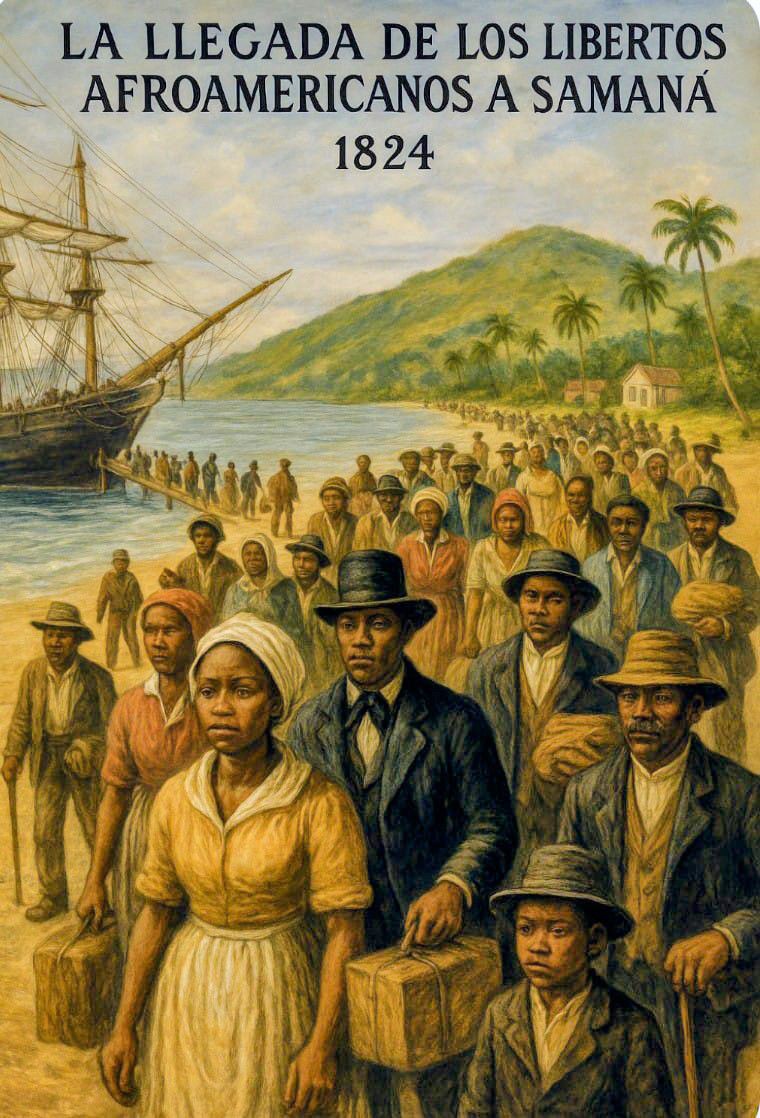
In the year 1824, Samaná experienced one of the most significant events since its founding: the arrival of African American freedmen from the United States. Under the government of Jean-Pierre Boyer, hundreds of free Black families arrived on these shores seeking freedom, faith, and a new life.
The Gateway of Carenero
These families disembarked at the community of Carenero, a point that served not only as their gateway but also as the very site where Samaná was founded. From that shore began a distinct history—one defined by resistance, faith, and hope.
A Cultural Rebirth
The settlers brought more than just their belongings; they brought a blueprint for a new society. Their arrival introduced:
-
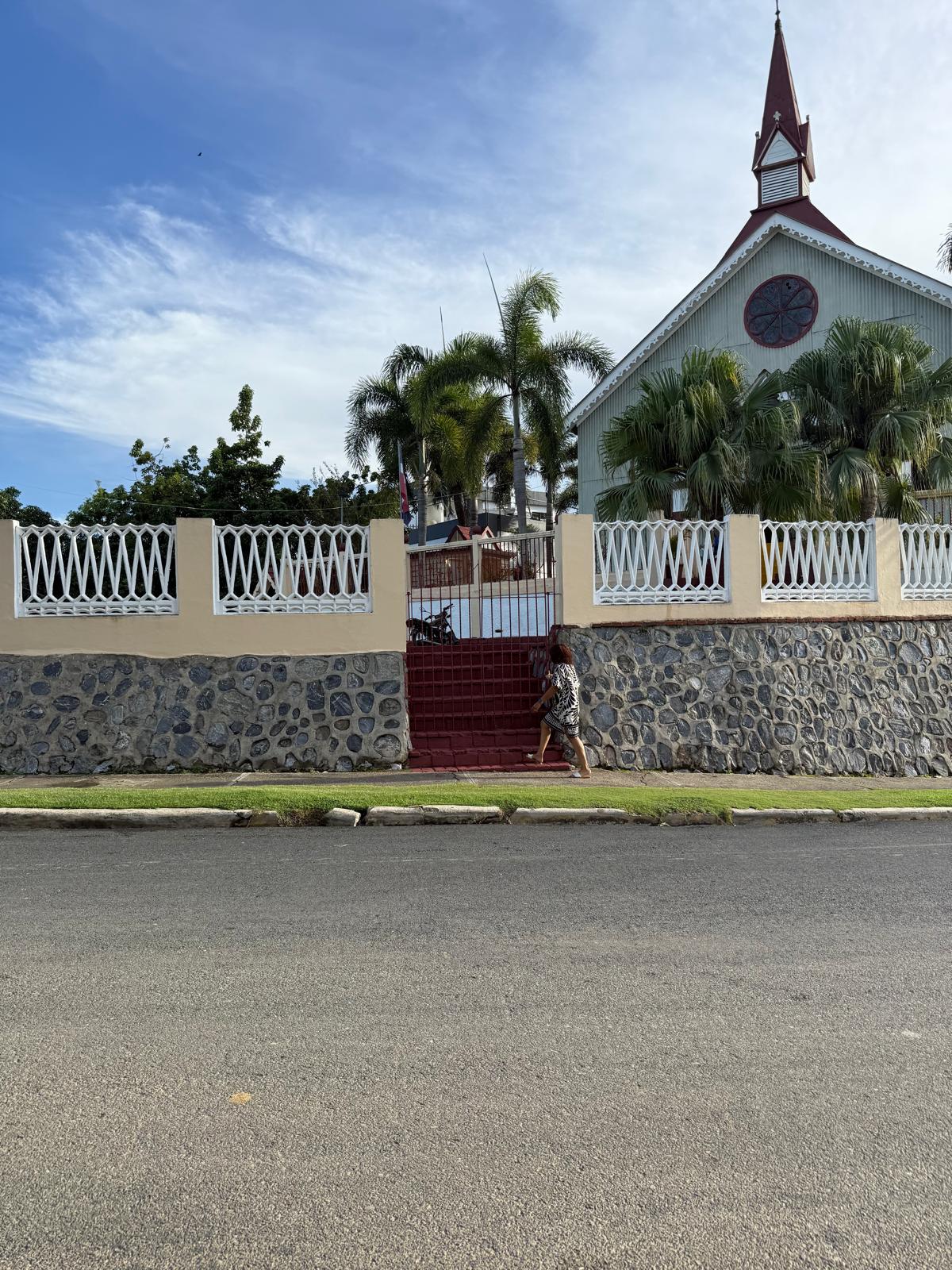
Religion: The establishment of Protestant churches.
-
Language: The preservation of “Samaná English,” which survived for generations.
-
Gastronomy & Music: Unique culinary traditions (such as the use of coconut in savory dishes) and distinct musical rhythms.
-
Architecture: A particular style of home-building that can still be seen in the region’s traditional structures.
They founded solid communities and left an indelible mark on the Samanesian identity. This legacy lives on today in local surnames, in the steeples of the churches, and in the unique character of the people.
The Soul of Samaná
It is impossible to truly understand Samaná without acknowledging this moment. It was more than a migration; it was a cultural rebirth that gave Santa Bárbara de Samaná its soul and its unique character. Today, we honor that past, carry it with pride, and project it toward the future.