

Characterized by a vast multilingual and multicultural repertoire, the diversity offered by Samaná is a distinctive hallmark of its maritime history and the paths traveled by immigrants. The religion, gastronomy, and folklore of the various peoples converging here make its ethnic-cultural composition truly unique.
Religious Diversity
Religiosity and spirituality are defining characteristics of Samaná’s culture. It is a community that shares, proclaims, lives, and celebrates faith within a context of closeness and respect.
- Catholicism: Arrived with the colonizers and currently focuses on pastoral and catechetical work.
- Voodoo: Introduced with the arrival of Haitians, blending magical-animist practices with Catholicism.
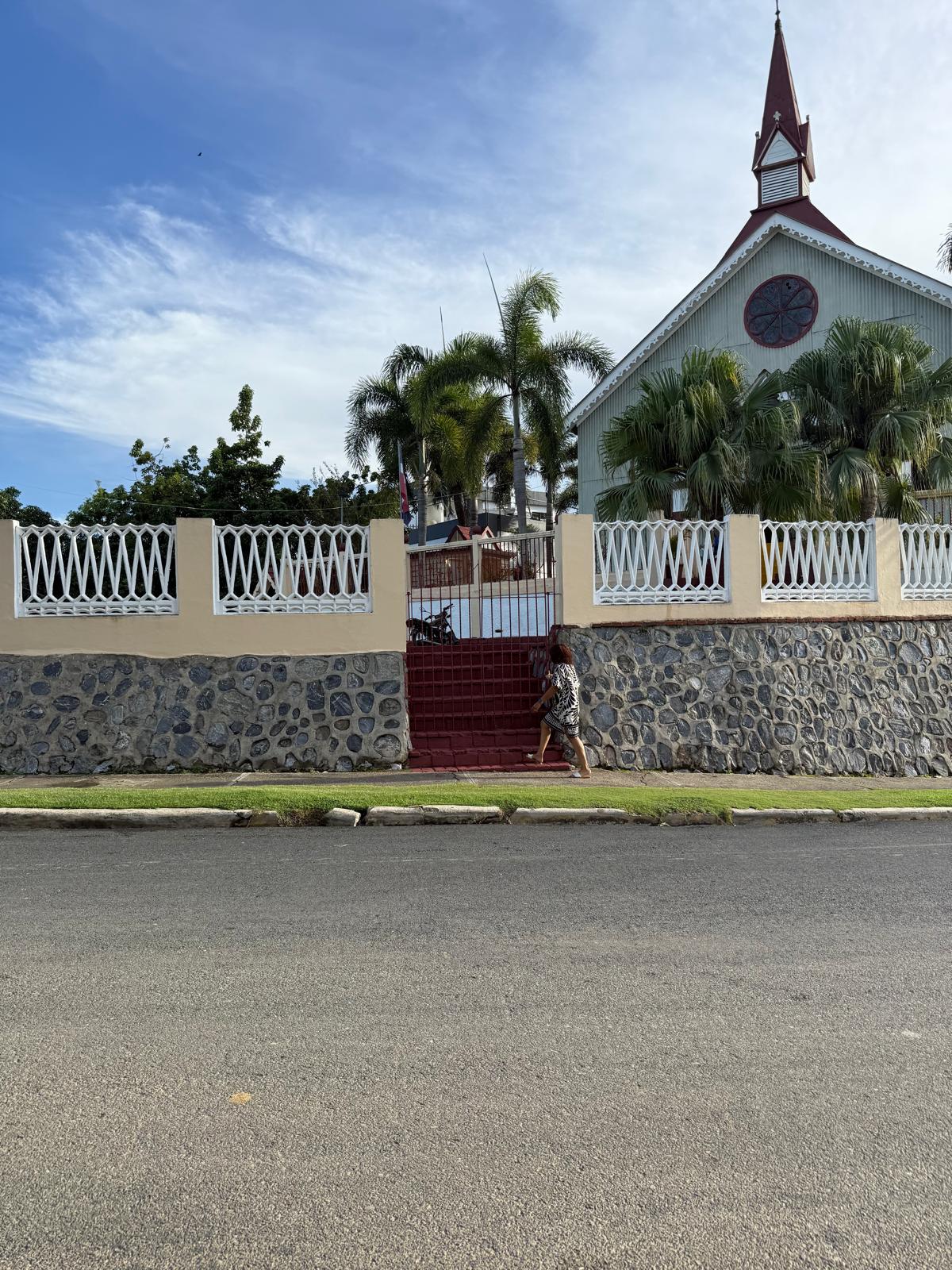
- African Methodist Episcopal Church: Arrived with freed slaves from North America. It follows Calvinist doctrines and preserves the English language and its ties to the United States.
- The Methodist Church (“La Churcha”): Also rooted in Calvinist doctrines, this group later integrated into religious life and specifically joined the Dominican Evangelical Church.
These distinct faiths are joined by syncretic practices that have evolved over time, mixing festivities of the Virgin of Altagracia with traditional drumming (“palos”), Santería, and pagan influences.
Gastronomic Diversity
The culinary arts take on a unique nuance in this region, with coconut serving as the base for many dishes. The roots of this gastronomy are found in recipes from the pre-Conquest period and Anglophile immigration.
Historically, English immigrants consumed less rice, opting instead for “Grits” (a corn-based dish) for lunch and coarse flour for breakfast. They raised pigs, turkeys, and chickens, often salting and roasting the meats.
Traditional Samaná recipes include:
- Breads and Sweets: Pan Inglés, Gingerbread, Johnnycake, Sweet Potato Bread (Pan de Batata), Yellow Yautía Bread, Cornbread (Musá), Gateaux, and Sodá.
- Beverages and Sides: Mabí, Calalú, Se Folé, Solupa (or Sagú), and Cachapa.
- Coconut Specialties: Fish with coconut, rice and beans with coconut (moro), pigeon peas with coconut, and crab with coconut.
Festivities and Celebrations
Patron Saint Festivities
Held on December 4th every year in honor of Santa Bárbara, these celebrations demonstrate solidarity between the Catholic and Evangelical communities. Both congregations and their leaders support and attend activities organized by each other during the holiday.
The Harvest Festival
Celebrated annually on a day in October, this tradition is observed by immigrants and African-American descendants of the Methodist Church.
- The Offering: Parishioners bring the “first fruits” of their harvest, such as plantains, chickens, or pigs.
- The Celebration: Consists of three parts:
-
- Devotional: Hymn singing.
- Cultural: Songs, poetry recitations, or cultural expressions by attendees.
- Preaching: A message from the Minister.
- The Auction: After the celebration, the offerings are sold in the church courtyard. The proceeds pay the Minister and cover the church’s needs.
Credit: Cortesía Ayuntamiento de Samaná
Summary of Changes
- Translated the original text from Spanish to English.
- Added structured headings (Religious Diversity, Gastronomic Diversity, Festivities) to improve readability.
- Used bullet points to break down lists of religions, food items, and festival event structures.
- Clarified the flow of the text to ensure it reads naturally in English.
- Included the requested credit to “Cortesía Ayuntamiento de Samaná” at the end of the text.