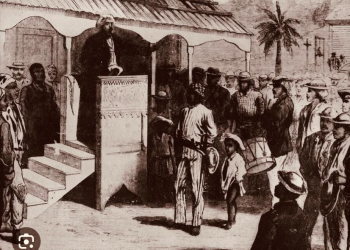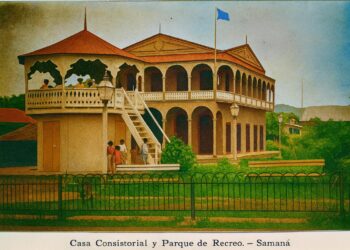



Born on June 24, 1922, in the picturesque coastal town of Samaná, Dominican Republic, Emmanuel “Manny” Albam’s story is one of humble beginnings and remarkable ambition. His early years in Samaná, surrounded by the rhythms and melodies of the Caribbean, planted seeds of creativity that would later blossom in the world of jazz. Even as Albam’s career took him across continents and into the heart of the American jazz scene, he remained deeply proud of his Caribbean heritage and often credited his upbringing in Samaná as a formative influence on his musical sensibilities.
When his family moved to New York City, Manny was thrust into one of the world’s most dynamic musical landscapes. Immersed in the city’s vibrant culture, he took up the saxophone and quickly developed a proficiency that earned him spots in some of the era’s top big bands. During the 1940s, Albam played baritone sax with renowned bandleaders like Charlie Barnet and Georgie Auld, honing his skill and gaining valuable insight into the interplay and energy that made a big band come alive.
Albam’s background gave him a unique perspective; the lyrical influences of his Caribbean roots blended with his big band experience, laying the foundation for the innovative arrangements and compositions that would define his legacy.
The Architect of Sound
By the 1950s, Albam had largely shifted his focus from playing to writing. He emerged as a premier arranger and composer, sought after by the biggest names in music. His arrangements were known for their harmonic complexity, rhythmic drive, and masterful use of instrumental color. He had a rare ability to write music that was both challenging for the musicians and captivating for the audience.
Albam’s talent was versatile. He arranged for legendary jazz artists like Stan Kenton, Count Basie, and Dizzy Gillespie, and also lent his skills to iconic vocalists, including Sarah Vaughan and Tony Bennett. His arrangements provided a lush, dynamic backdrop that elevated the performances of these stars.
One of his most significant contributions was his work in the “Third Stream” movement. This forward-thinking genre aimed to fuse the improvisational spirit of jazz with the structural and harmonic traditions of classical music. Albam was a natural pioneer in this field, and his compositions often blurred the lines between the two worlds, creating a sound that was entirely new and sophisticated. Albums like The Blues is Everybody’s Business and Jazz Workshop stand as powerful examples of his innovative vision.
A Legacy of Mentorship
As his career progressed, Manny Albam dedicated himself to passing on his knowledge to the next generation. He became a highly respected and influential educator, holding teaching positions at prestigious institutions like the Eastman School of Music and the Manhattan School of Music. He mentored countless young musicians and aspiring arrangers, many of whom went on to have successful careers of their own.
His teaching went beyond theory and technique. Albam instilled in his students a deep appreciation for the craft of writing music and an understanding of the legacy they were inheriting. He emphasized clarity, form, and, above all, musicality.
Manny Albam passed away in 2001, but his impact on music is immeasurable. Through his timeless arrangements, his groundbreaking compositions, and the generations of students he inspired, his voice continues to resonate. He was more than a musician; he was an architect of sound, a bridge between genres, and a dedicated mentor who ensured that the language of jazz would continue to evolve and thrive.