

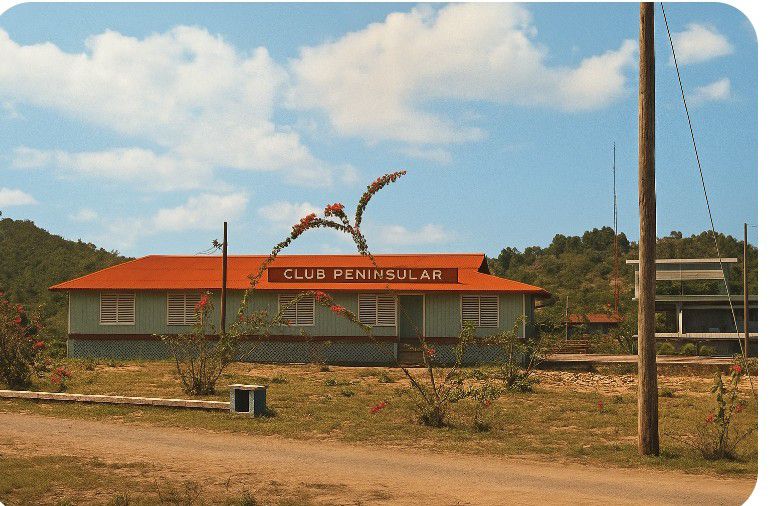
At the dawn of the 20th century, Samaná was not just a remote peninsula; it was a vibrant, cosmopolitan port. While international steamers anchored in the bay, a rising local class sought to mirror the grand social institutions of Europe and the Americas. From this desire for progress and distinction, the Peninsular Club was born.
The Foundation of a Cultural Landmark
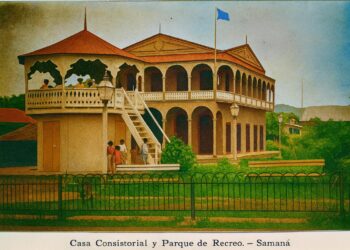
On September 26, 1904, within the Chapter House (Sala Capitular) of the Samaná City Hall, a group of visionaries changed the social landscape of the peninsula. Figures such as Evaristo Aybar, Bartolomé Ferrand, Canuto Cernuda, and Zorah Paiewonsky gathered to establish what would become the epicenter of local prestige.
The club was born as an elite space for sharing culture, hosting grand balls, debating world-changing ideas, and strengthening the social identity of an emerging class. For the Samaná of 1904, the Peninsular Club was the ultimate symbol of elegance, vision, and modernity.
Understanding the Shadows of the Past
To truly honor our history, we must look at it with honesty. While the club was a beacon of intellectual life, it was also a reflection of the era’s rigid social divisions. It was a space of exclusivity, where entry was not guaranteed for everyone.
In its brilliance, there were distances; in its history, there are lessons. The club mirrored a world where status and lineage often dictated who could walk through the door and who had to watch from the outside.
A Legacy for the Future
Today, we look back at the Peninsular Club with profound respect—not just for the culture it fostered, but for the perspective it provides us today. As we reflect on our heritage:
“We remember it today with respect: for what it was and for what it teaches us. May the cultural spaces of tomorrow be more open, where talent and dignity are the only doors to entry.”