

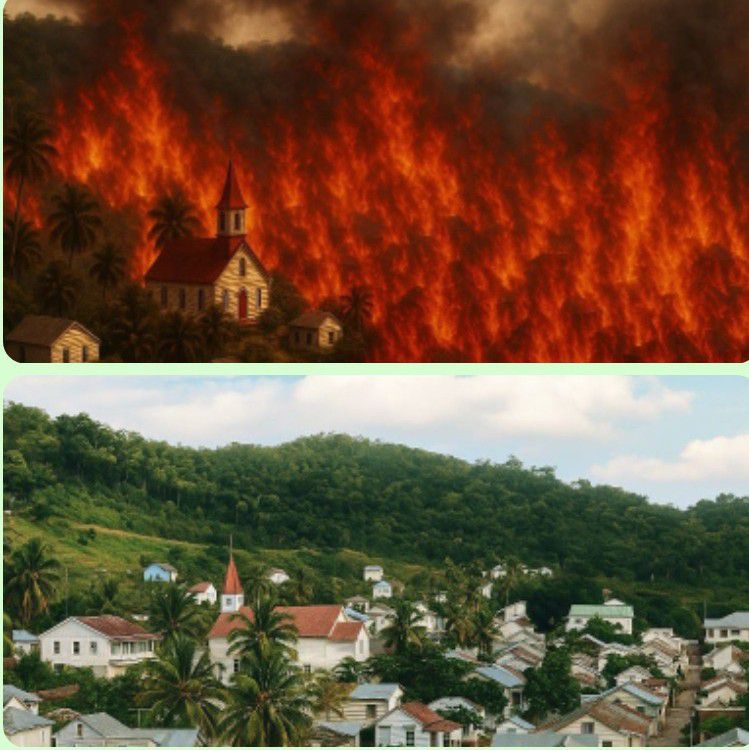
Samaná has burned twice… and twice it has risen with even greater strength. The history of Santa Bárbara de Samaná is marked by the courage of its people and the power of their spirit. Two fires—one at the end of the 19th century and another in the mid-20th—razed nearly everything to the ground, but they failed to extinguish the hope of this town.
The First Fire: Circa 1880
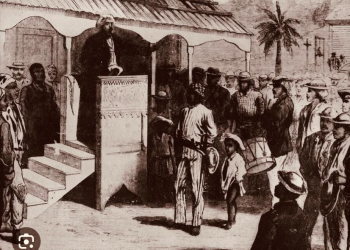
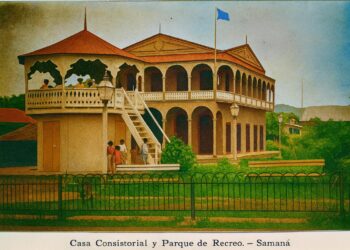
The first disaster occurred around the year 1880. Vulnerable to fire, the homes built of wood and zinc succumbed rapidly to flames that originated in a simple charcoal kitchen. This was an era of great political turbulence, with the country governed by figures such as Cesáreo Guillermo and Gregorio Luperón. In Samaná, the historic mayor was Agustín González. While there was no institutional support at the time, a collective strength emerged, allowing every street and every home to be rebuilt from the ashes.
The Second Fire: October 14, 1946
Decades later, a second great fire once again plunged Samaná into mourning. This time, the fire began in a grocery store and spread uncontrollably, destroying approximately 70% of the town.
At that time, Rafael Leónidas Trujillo Molina ruled the country. Amidst the immense chaos, a beacon of faith appeared: Father Gabriel Henao Betancourth. Through his pastoral dedication and his constant presence among those most affected, he helped sustain the soul of a devastated people.
The Sole Survivor: La Churcha
Only one structure survived that disaster: La Churcha, the Methodist church brought from England. Today, it stands as a symbol of faith, resistance, and the dignity of Santa Bárbara de Samaná.
Both tragedies began from small, everyday origins—a kitchen stove or a shop—but they were overcome by a brave and united people who refused to be defeated. When fire touches Samaná, it meets a spirit that burns even brighter: the spirit of its people.