

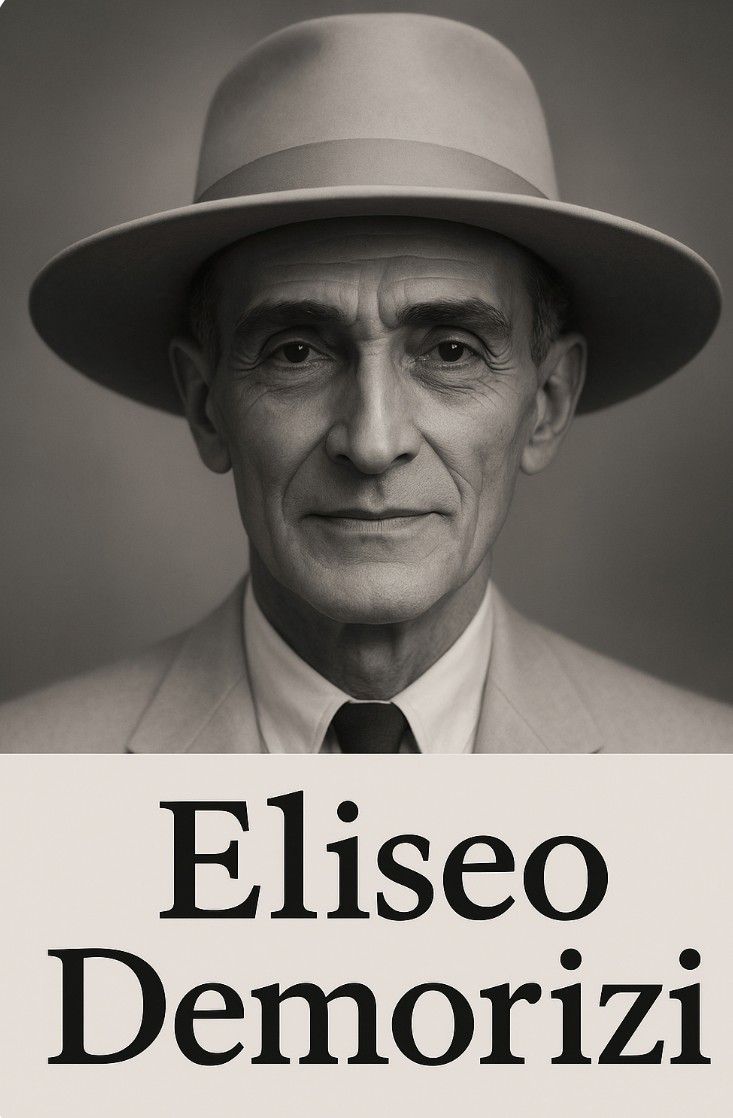
In an era when education in Samaná only reached the eighth grade—a level of study equivalent to a high school diploma today—learning was both a privilege and a profound challenge. With no secondary or higher education available in the region, reaching that final grade meant graduating with solid knowledge, rigorous discipline, and deep social respect. It was within this context that Eliseo Demorizi De León emerged as an exemplary teacher who would leave an indelible mark on local education.
The Early Years of a Vocation
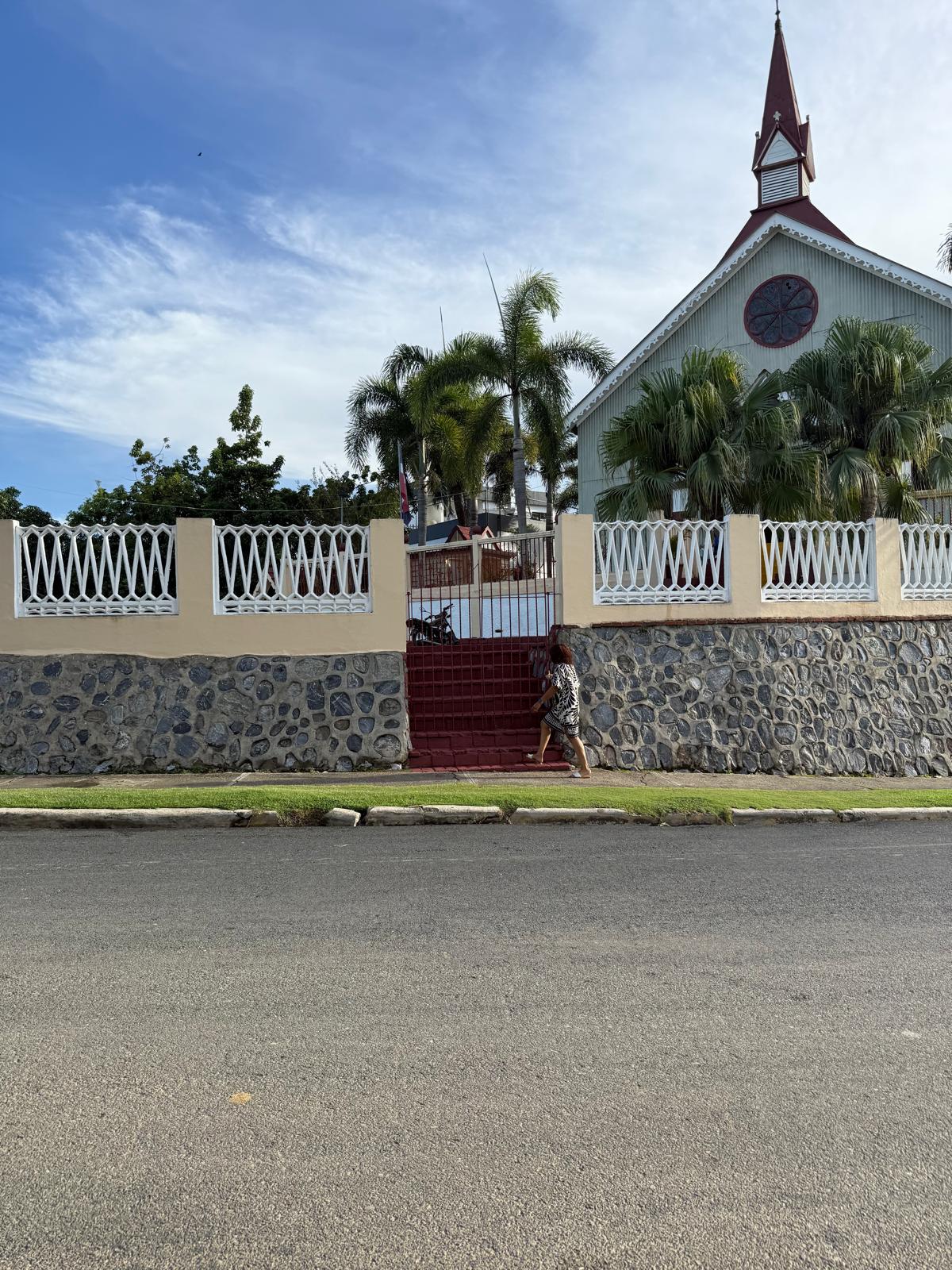
At the age of seven, Eliseo was enrolled in the Instituto Santa Bárbara de Varones. He was placed in the class of Francisco Carías Martil, a teacher who would profoundly influence his academic start and instill in him the love for teaching that would define his life.
Even as a young man, Eliseo demonstrated extraordinary intelligence and dedication. He initially graduated as a bookkeeper at a young age, excelling in accounting and administration before fully committing his life to the classroom.
Formative Years and the “Crisálida” Society
Eliseo continued his training in Sabana de la Mar, where he completed his basic education and took his first steps as an educator. He became a disciple of the renowned educator Ramón Esteban Lavandier at the Escuela Nocturna Porvenir, starting as an assistant teacher on April 20, 1900. Lavandier was a key figure in his development, passing on values of ethics, civics, and a love for the homeland.
Beyond the classroom, Eliseo was an active member of the “Crisálida” Cultural and Secret Society, where he served as secretary. This involvement reflected his deep commitment to critical thinking, culture, and social progress.
The Director of Santa Bárbara
After completing his training, Eliseo returned to Samaná to serve as the Director of the Santa Bárbara Primary School for Boys. He taught fundamental subjects such as Spanish Language, History, Civics, and Moral Education. In a time when the eighth grade was the highest achievable level, Eliseo ensured his students stood out for their discipline and patriotic sense, preparing Samaná for a better future.
His legacy went beyond academic instruction; he was a builder of character. His example of integrity strengthened the local identity and the sense of belonging within the community.
Defying a Dictatorship
During the dictatorship of Rafael Leónidas Trujillo, Eliseo Demorizi displayed unwavering courage. He famously rejected offers to join the National Congress under the regime and refused to let his school succumb to the political demands of Trujillismo.
In a legendary act of dignity, he refused to hang Trujillo’s portrait in his school, stating that the only space on those walls belonged to the Founding Fathers of the Country (Padres de la Patria). Despite facing threats from the military, he never surrendered his principles or his conscience.
A National Honor
For his exemplary career and civic bravery, on September 19, 1951, Eliseo Demorizi De León was awarded the Order of Juan Pablo Duarte in the Grade of Knight (Caballero) by presidential decree. He became the first person from Samaná to receive this prestigious national distinction.
The Legacy Lives On
Today, the local primary school proudly carries his name: Escuela Primaria Eliseo Demorizi De León.
Many children studying there today may not know the full story of the man behind the name. We share this history so that the new generation of students can value his legacy—a legacy of dignity, firmness, and a profound love for education and the nation.