

In the heart of the Samaná peninsula, where the scent of coconut and saltwater hangs in the air, there is a culinary landmark that tells a story of heritage, resilience, and flavor. It’s a place locals cherish and travelers seek out as a mandatory first stop. This is D’Vieja Pan, a bakery that is so much more than a place to buy bread. It’s a living museum of Samaná’s unique history, a taste of its soul baked into every loaf.
A visit to Samaná isn’t complete without stopping here. The saying goes that if you haven’t been to D’Vieja Pan, you haven’t truly been to Samaná. This post will explore the rich legacy of this iconic bakery, from its deep historical roots to the family that keeps the traditions alive. We’ll look at the delicious recipes that have been passed down for generations and understand why this humble spot is a cornerstone of the region’s identity.
A Legacy Baked with History
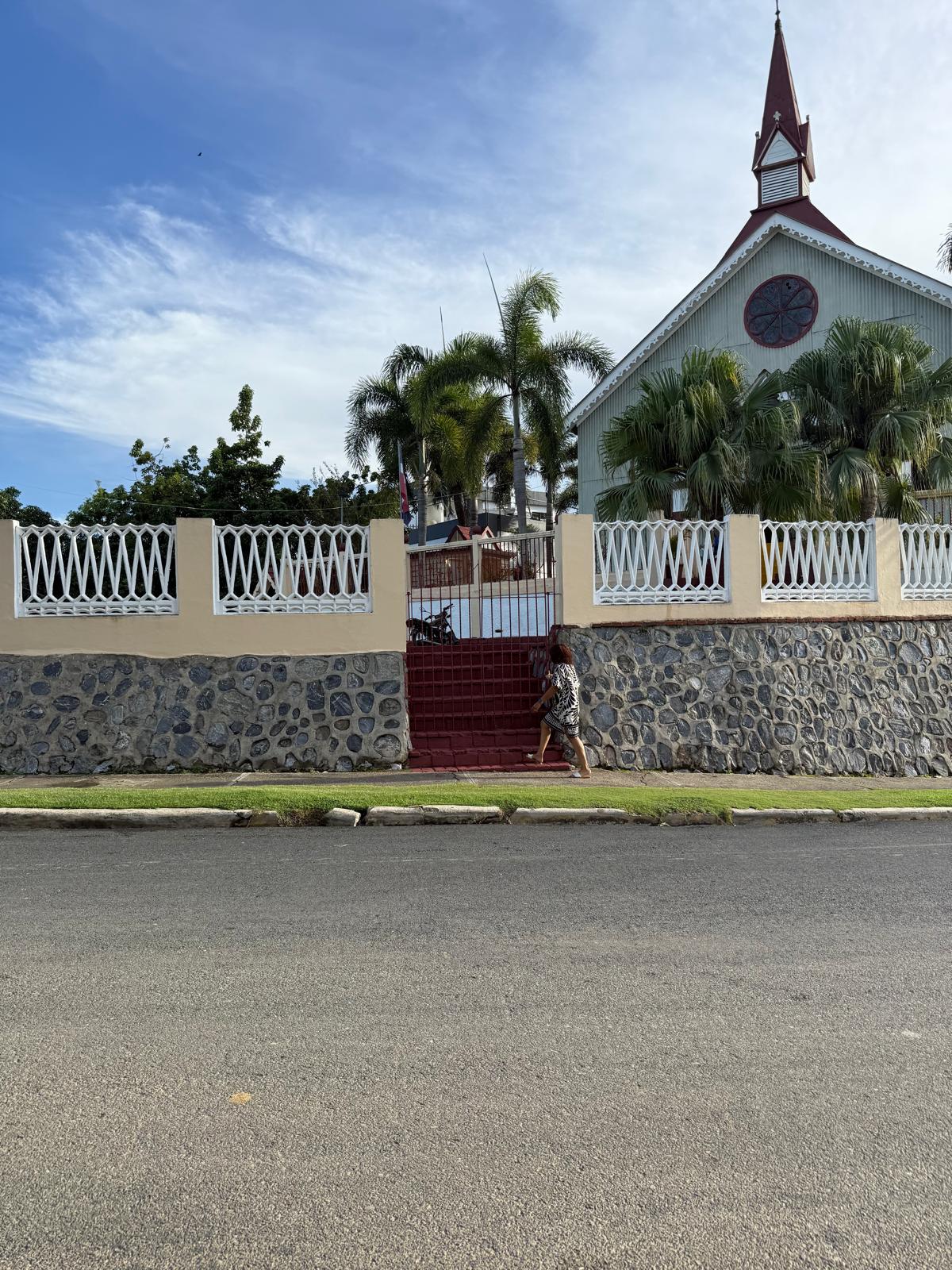
The story of D’Vieja Pan is deeply connected to the unique history of the Samaná peninsula. In the early 19th century, this region became a new home for freed African American slaves from the United States. These new settlers brought with them their culture, their faith, and their culinary traditions, which blended with the local Dominican customs to create something entirely new. The food of Samaná, especially its baked goods, carries the distinct influence of this Afro-Caribbean and American heritage.
D’Vieja Pan stands as a proud guardian of this legacy. The bakery was founded on the very recipes that these families brought with them nearly two centuries ago. The use of coconut, root vegetables like yautía, and distinct baking techniques are all hallmarks of this culinary fusion. Every bite of their bread is a direct link to the past, preserving a history that might otherwise be forgotten. It’s a tradition that has passed from one generation to the next, becoming a cherished treasure of the Samaná people.
The Family Behind the Flavor
Like many great traditions, D’Vieja Pan is a family affair. The story begins with Mónica Miguel, affectionately known in the community as “Benilia.” She started by making pan de yautía (a bread made from taro root) and selling it on the streets of Samaná. Her recipes were so beloved that her small venture grew, and she began to introduce a wider variety of baked goods.
Today, the business is managed by her granddaughter, Nelly Mercedes, who learned the craft at her grandmother’s side. For Nelly and her family, the bakery is more than just a business. The income from selling these traditional breads has provided them with opportunities for education and professional development. Yet, they remain dedicated to the craft, understanding that they are not just baking bread—they are upholding a family legacy and a vital piece of their community’s culture. This dedication is the secret ingredient that makes everything at D’Vieja Pan so special.
More Than Just Bread: A Culinary Landmark
When you step into D’Vieja Pan, you are greeted with an array of traditional treats that are hard to find anywhere else. These aren’t your typical bakery items; they are unique recipes that tell the story of Samaná.
Signature Breads and Treats
Here are some of the must-try items that have made D’Vieja Pan famous:
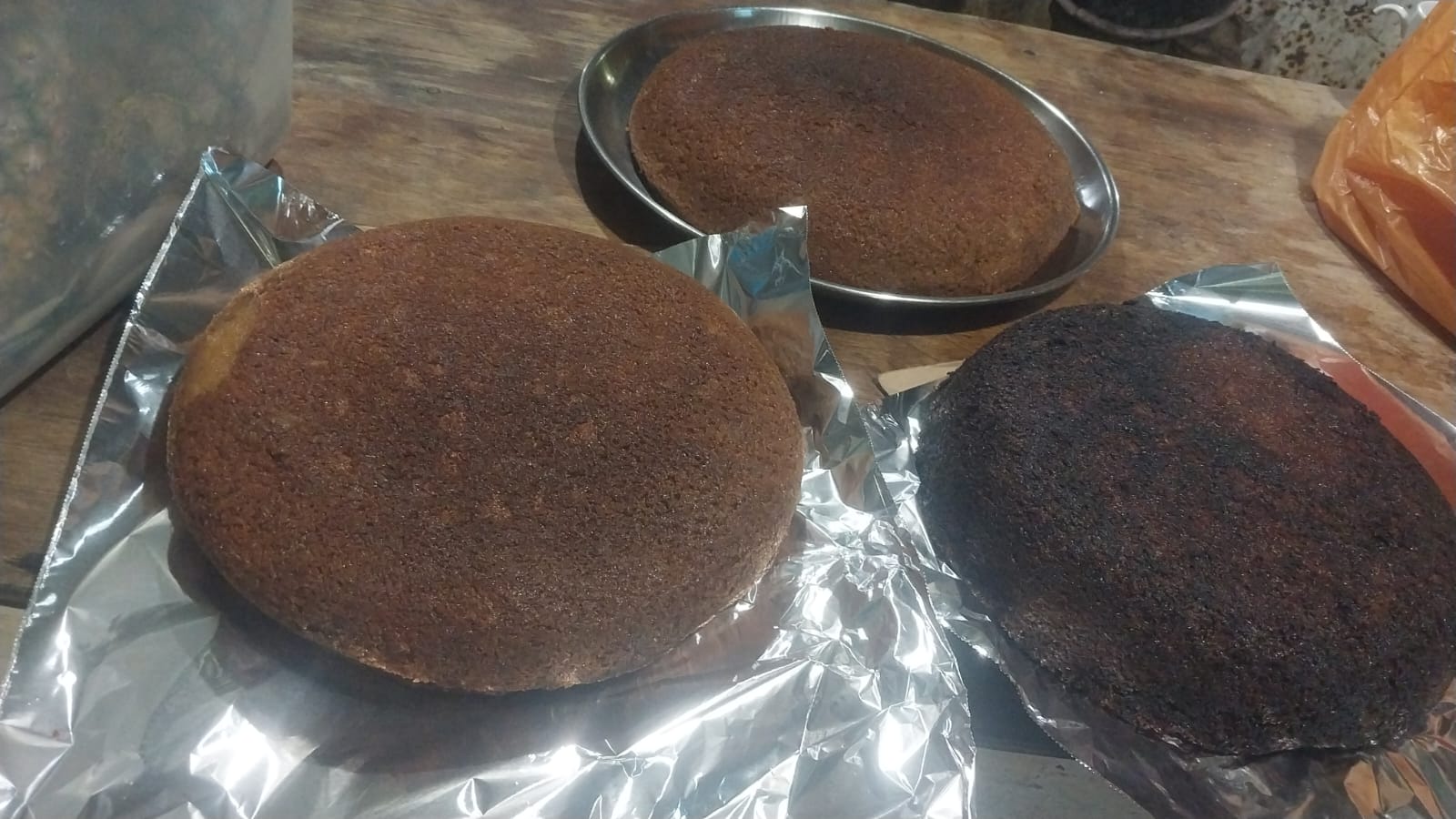
- Pan de Yautía: A dense, slightly sweet bread made from grated yautía (taro root). It’s a staple that reflects the Afro-Caribbean roots of the region’s cuisine.
- Pan Inglés (English Bread): Despite its name, this is a distinctively Samaná creation. It’s a rich, flavorful bread that has been a part of the local diet for generations.
- Conconetes: These are crunchy, sweet coconut cookies. They are a perfect example of how coconut, a key product of the peninsula, is woven into the local gastronomy.
- Yaniqueque de Samaná: This isn’t the fried dough you might find elsewhere in the Dominican Republic. The Samaná version is a unique baked good, often made with grated coconut, flour, and a touch of sugar and salt.
- Pan de Batata y Maíz: Breads made from sweet potato and corn, showcasing the use of local agricultural products.
Over the years, the bakery has also added more contemporary savory items like empanadas and pastelitos, but the traditional recipes remain the heart and soul of the business.
A Must-Visit for Every Traveler
D’Vieja Pan has become an essential stop for both local and international tourists. It is celebrated for its authenticity and for using 100% Dominican ingredients, all prepared with the love and care that can only come from a family-run establishment. Travelers from all over the world, from the Americas to Europe and Asia, make a point to visit.
For many, it’s the first stop after arriving in Samaná. It’s a chance to immediately connect with the local culture in the most delicious way possible. Holding a warm piece of pan de yautía or biting into a crispy conconete is an experience that grounds you in the place, offering an authentic taste that you won’t find in a resort or hotel.
Preserving Culture, One Loaf at a Time
D’Vieja Pan is a shining example of how a small business can have a massive cultural impact. In a world where traditions can fade, this bakery serves as a vital custodian of Samaná’s history. It ensures that the culinary heritage of the region’s early settlers continues to thrive and be enjoyed by new generations.
When you visit and buy their products, you are doing more than just satisfying your taste buds. You are supporting a family, honoring a legacy, and helping to preserve the unique cultural identity of Samaná. It is a delicious reminder that history is not just found in books or museums; sometimes, it’s found in the simple, profound act of sharing food.
The next time you find yourself on the beautiful Samaná peninsula, make sure to follow the aroma of baking bread to D’Vieja Pan. You’ll leave with a full stomach and a deeper appreciation for the rich history that makes this corner of the Dominican Republic so special.